THE GALAPAGOS OF THE SOUTHERN OCEAN
Discover the Subantarctic Islands of New Zealand & Australia
Heritage Expeditions – Small Ship Adventure Cruises
Get ready to explore the biodiverse region nicknamed the Galapagos of the Southern Ocean on a Sub-Antarctic Expedition Cruise.
This is, without doubt, one of the most inspirational and informative journeys or expeditions into the Southern Ocean ecosystem that one can make anywhere in the world. Long recognized for its rich biodiversity, lying to the south of New Zealand are UNESCO World Heritage sites.
This places them in a select group of only 180 natural sites that have been designated as ‘the most important and significant natural habitats’ on the planet. They are also afforded the highest conservation status and protection by the Australian and New Zealand governments, and access to these islands is by permit only. On this expedition, we offer you the unique chance to explore, photograph and understand these wonderful places in the company of some of the most knowledgeable and passionate guides.
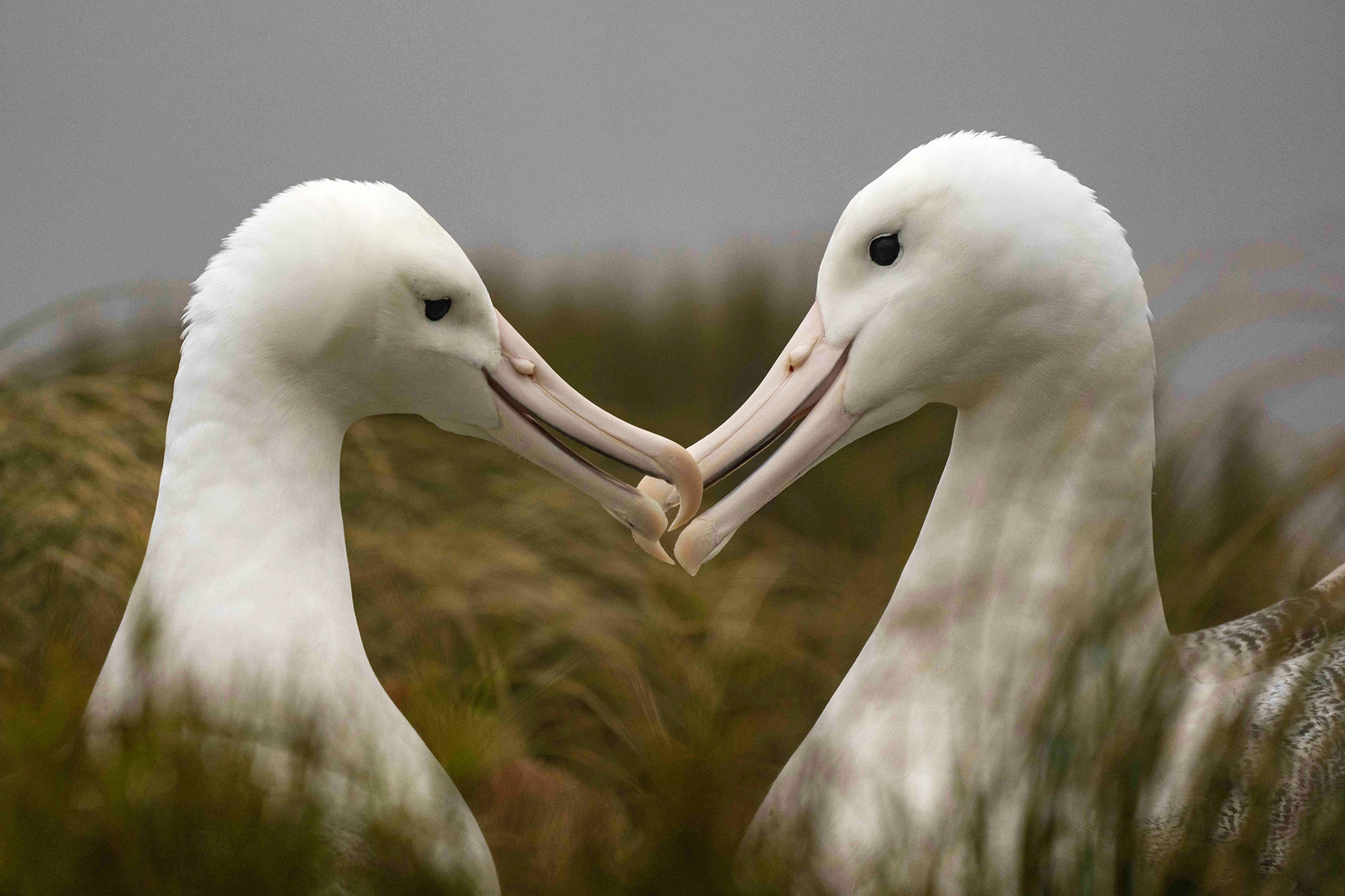
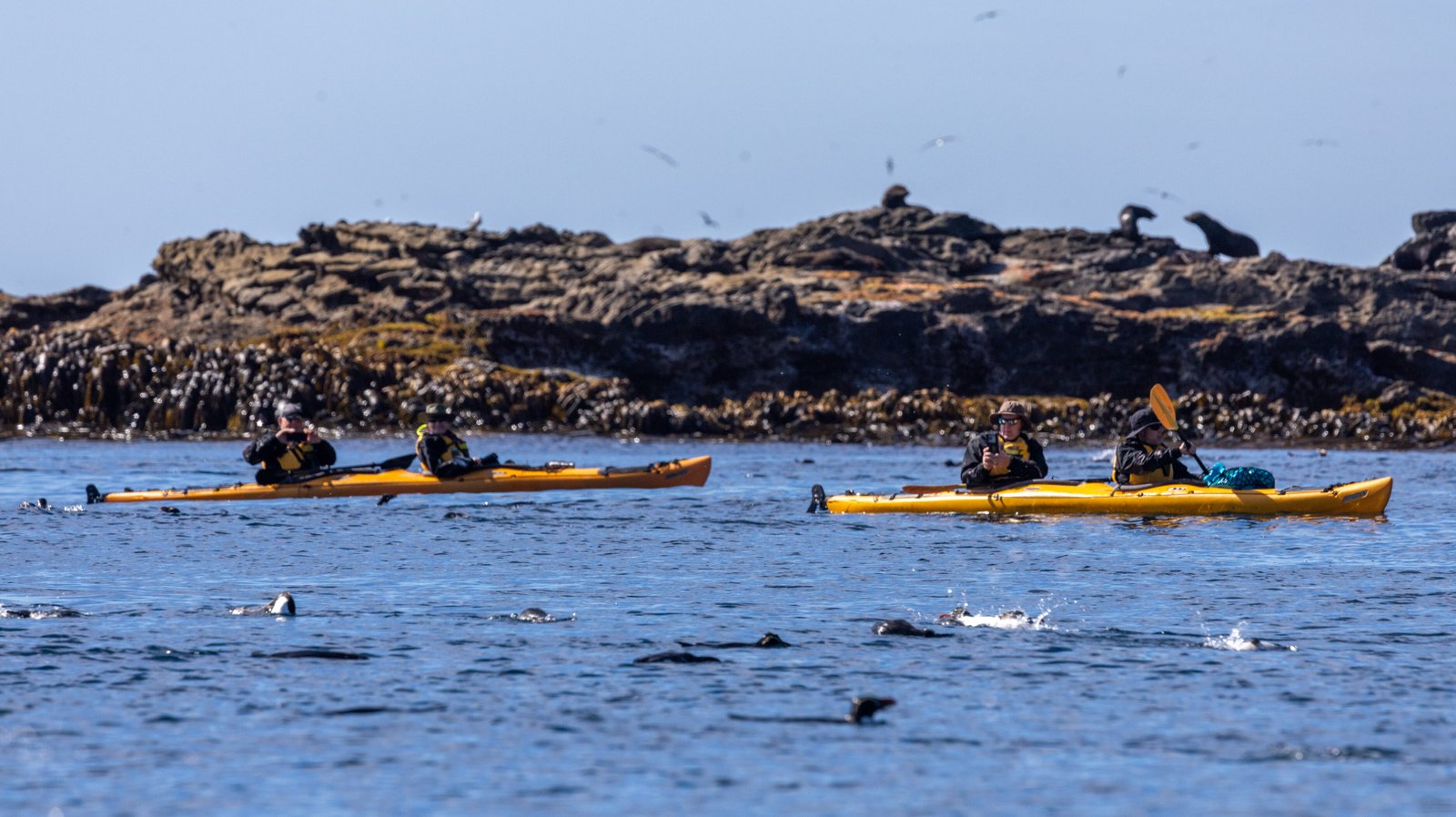
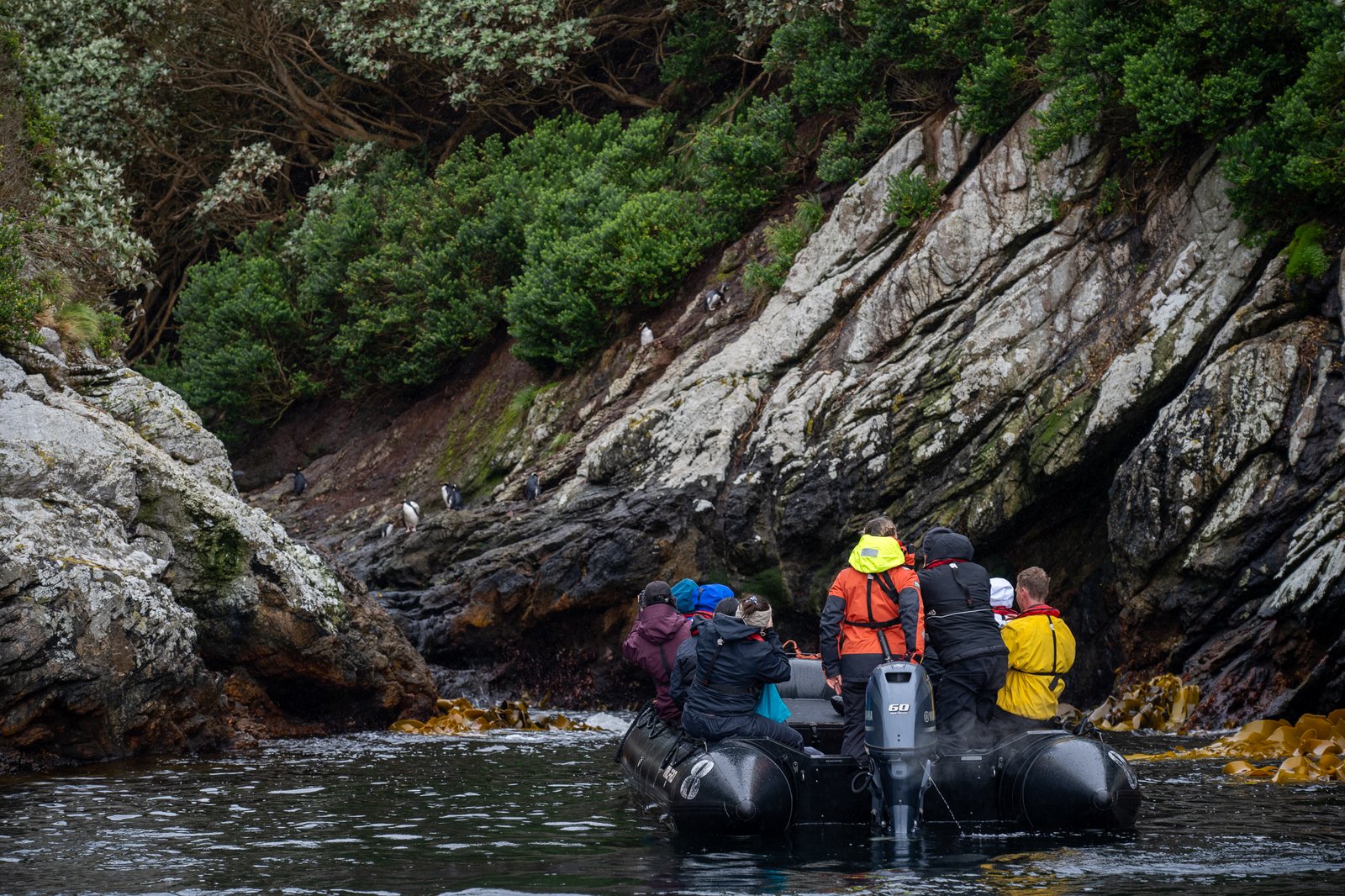
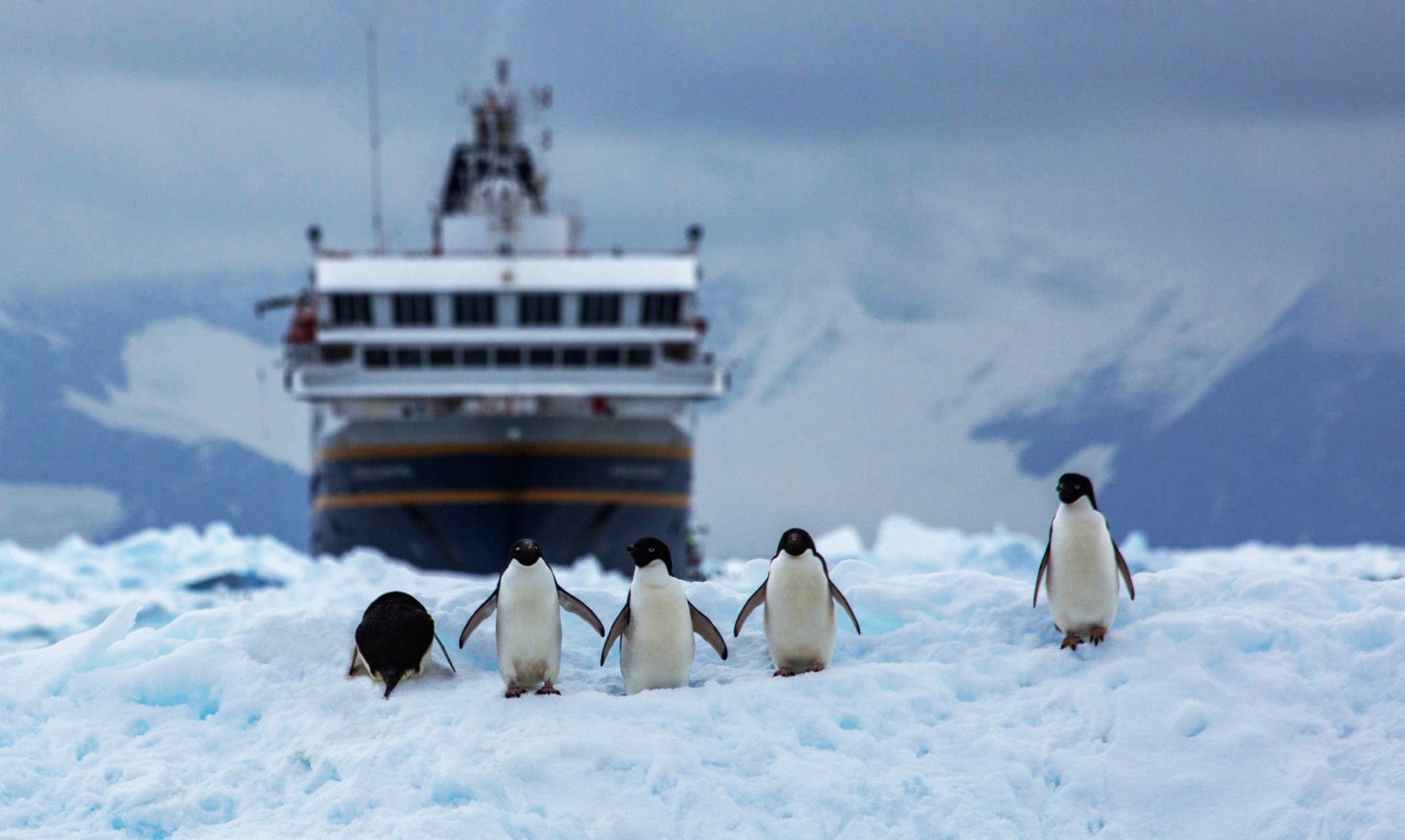
Our voyage’s name, Galapagos of the Southern Ocean, reflects the astounding natural biodiversity and the importance of these islands as a wildlife refuge. The islands all lie in the cool temperate zone with a unique climate and are home to a vast array of wildlife, including albatross, penguins, petrels, prions, shearwaters, and marine mammals like sea lions, fur seals and elephant seals.
Contact us to start planning your small-ship expedition cruise to the Southern Ocean or elsewhere.
Highlights
STARTS AT
USD per Person
DATES: NOVEMBER 22- DECEMBER 3rd, 2026
DECEMBER 17-28th, 2026
DAY 1: WELCOME TO QUEENSTOWN, NEW ZEALAND
Welcome to Queenstown, New Zealand!
Guests should make their way to the designated hotel where we will spend the first night of the expedition. This evening there will be an informal get-together at the hotel for dinner; an excellent opportunity to meet fellow adventurers on your voyage and some of our expedition team.
Accommodation at your selected hotel.
DAY 2: PORT OF BLUFF – EMBARK HERITAGE ADVENTURER
EMBARK YOUR ADVENTURE CRUISE – HERITAGE ADVENTURER
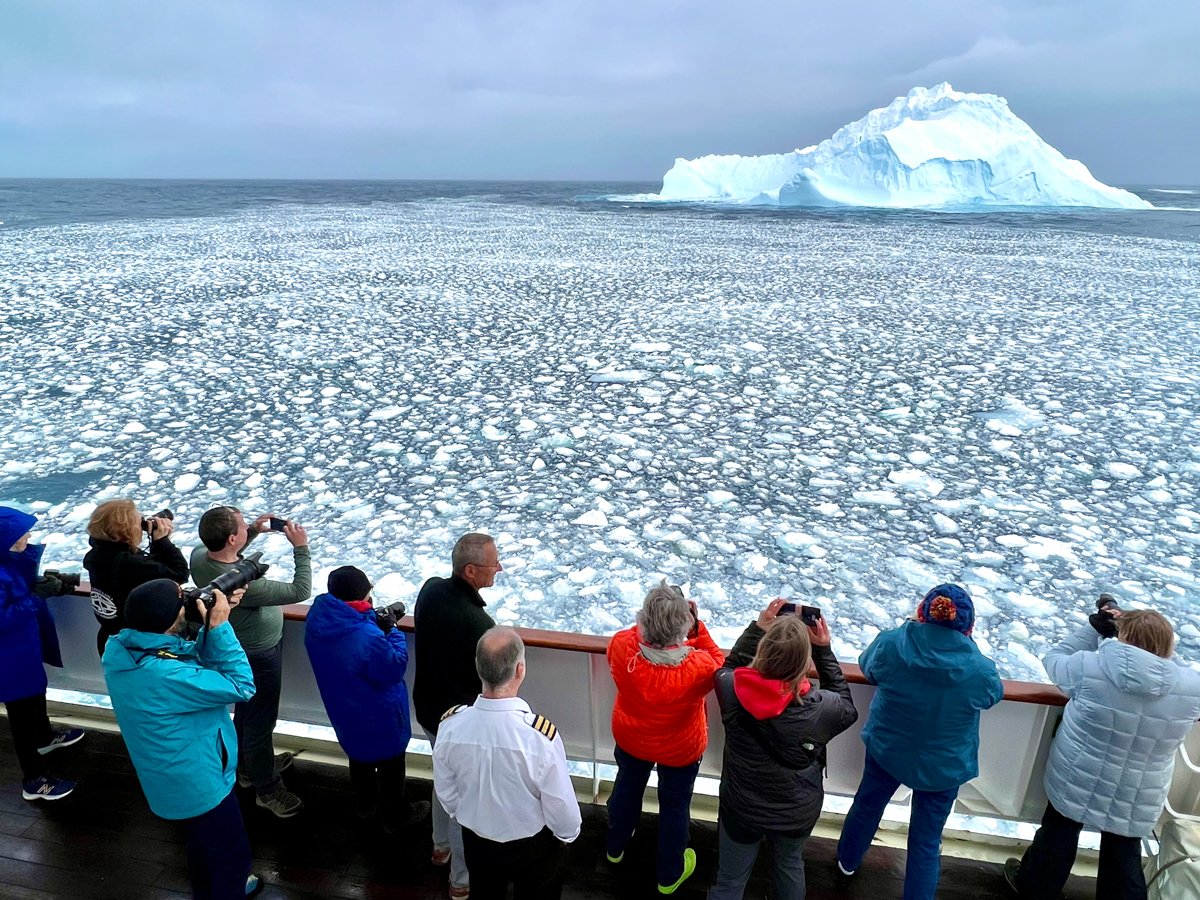
Today we enjoy breakfast in the hotel restaurant and have the morning free to explore Queenstown before returning to the hotel for lunch and departing for the Port of Bluff to embark Heritage Adventurer. You will have time to settle into your stateroom or suite and familiarise yourself with the ship. You are invited to join the expedition team in the Observation Lounge and up on the Observation Deck as we set our course to The Snares and our adventure begins.
DAY 3: THE SNARES – NORTH EAST ISLAND
THE SNARES – THE CLOSEST SUBANTARCTIC ISLANDS
The closest Subantarctic Islands to New Zealand, they were appropriately called The Snares as they were once considered a hazard for sailing ships.
Comprising of two main islands and a group of five islands called the Western Chain; they are uninhabited and enjoy the highest protection as Nature Reserves. It is claimed by some that these islands are home to more nesting seabirds than all of the British Isles together.
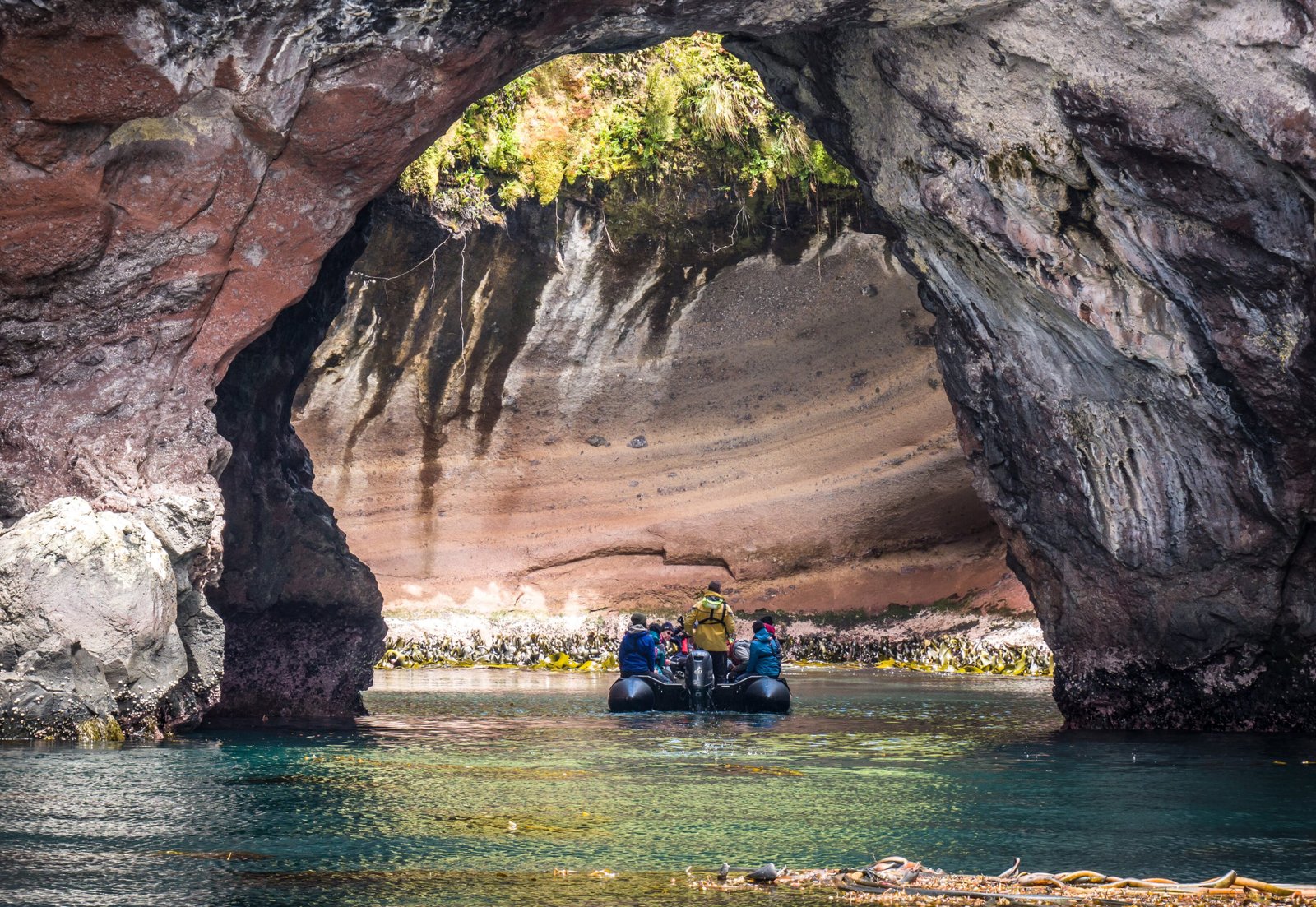
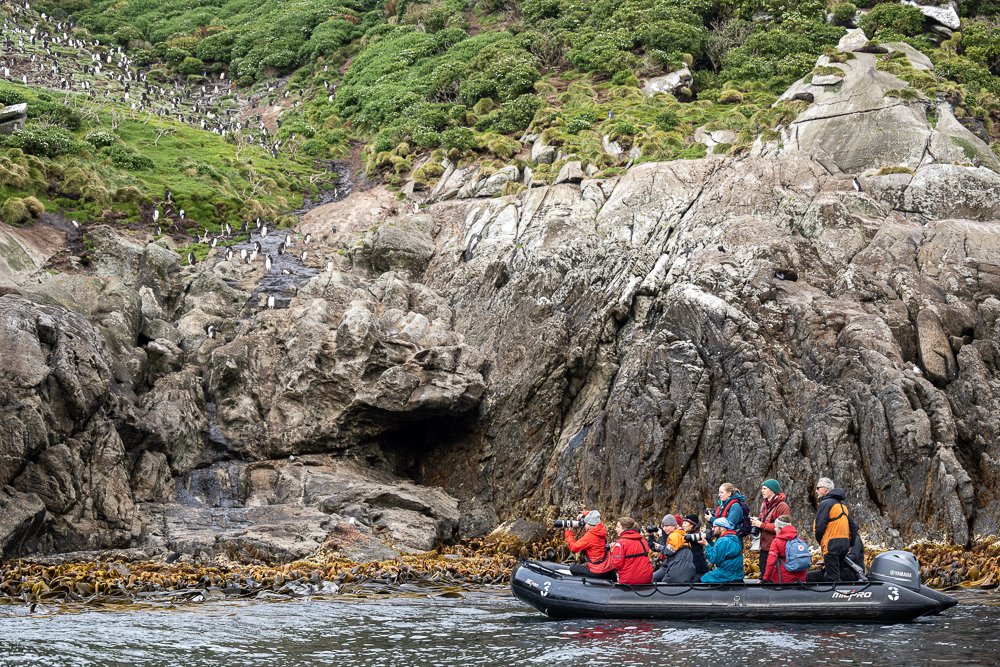
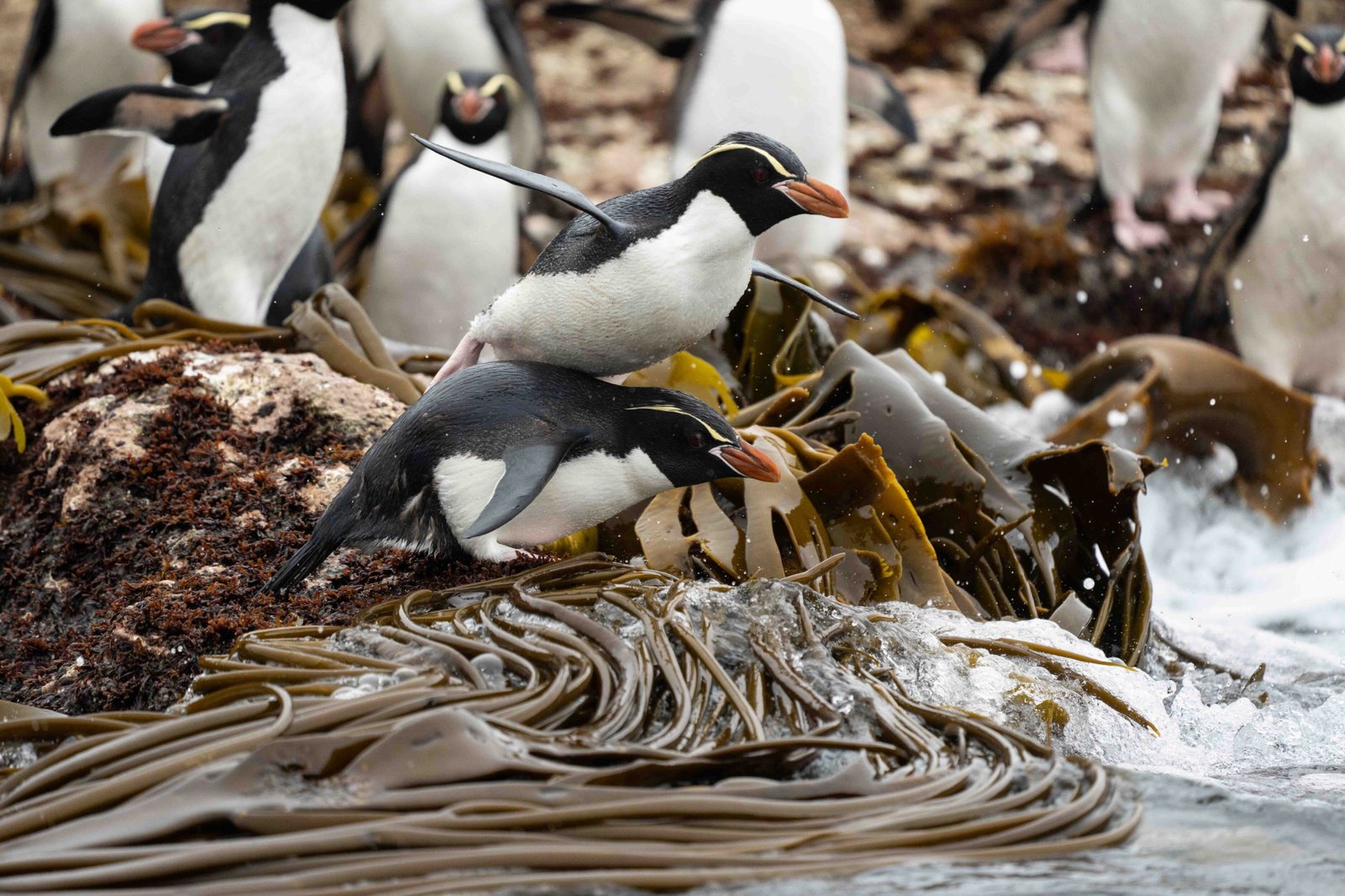
We plan to arrive early in the morning and, as landings are not permitted, we will Zodiac cruise along the sheltered eastern side of the main island if the weather and sea conditions are suitable. In the sheltered bays, we should see the e demic Snares Crested Penguin, Snares Island Tomtit and Fernbirds, Cape Pigeons and Antarctic Terns. There are hundreds of thousands of Sooty Shearwaters nesting on The Snares; the actual number is much debated. The Buller’s Albatross breed here from early January onwards.
DAY 4: AUCKLAND ISLANDS – ENDERBY ISLAND
AUCKLAND ISLANDS & ENDERBY ISLAND
The Auckland Islands group was formed by two volcanoes which
erupted some 10-25 million years ago. They have subsequently been eroded and dissected by glaciation creating the archipelago as we know it today.
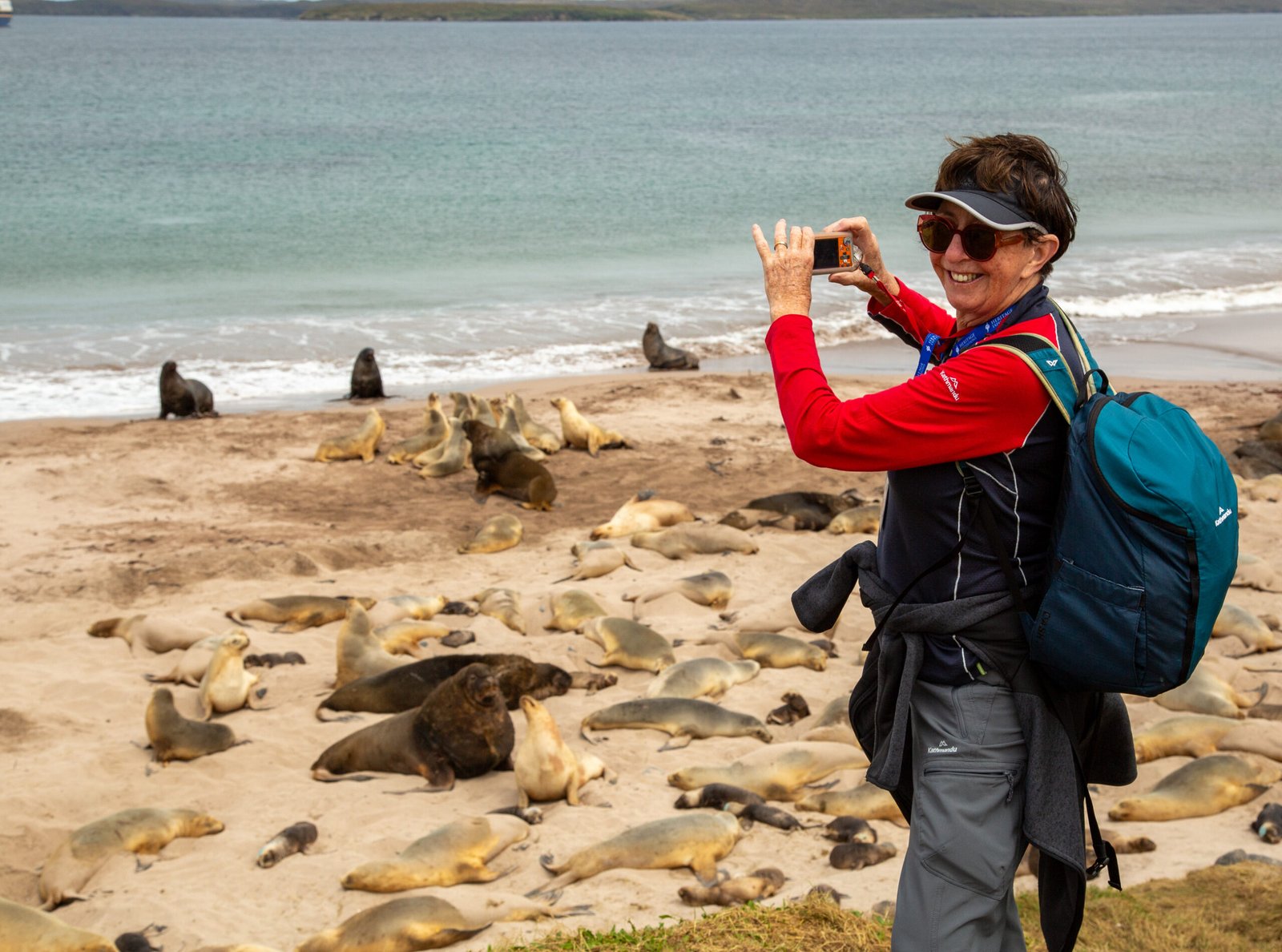
Enderby Island is one of the most beautiful islands in this group and is named after the distinguished shipping family. This northern most island in the archipelago is an outstanding wildlife and birding location and is relatively easy to land on and explore on foot. The island was cleared of all introduced pests in 1994 and both birds and the vegetation, especially the herbaceous plants, are recovering both in numbers and diversity.
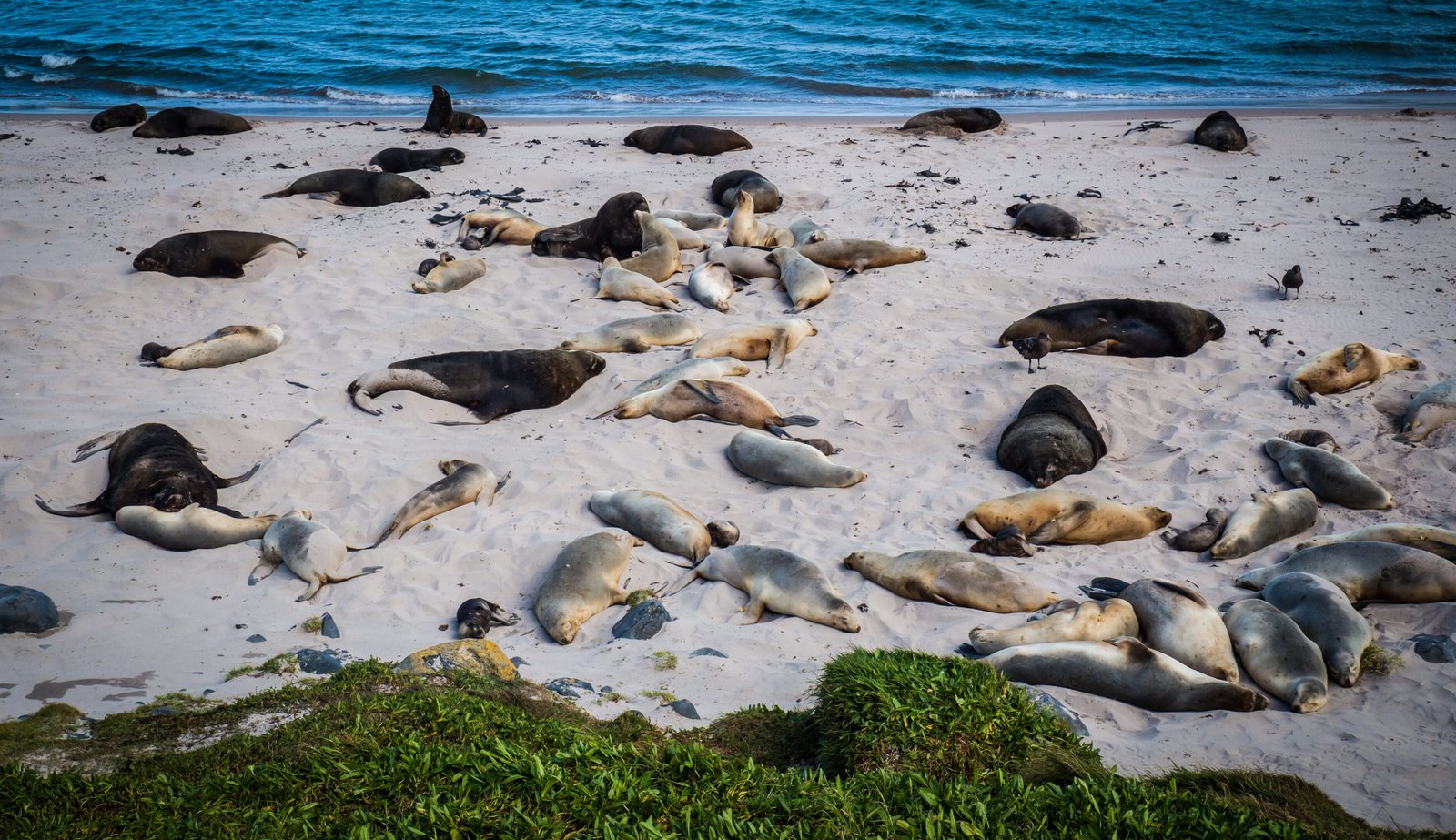
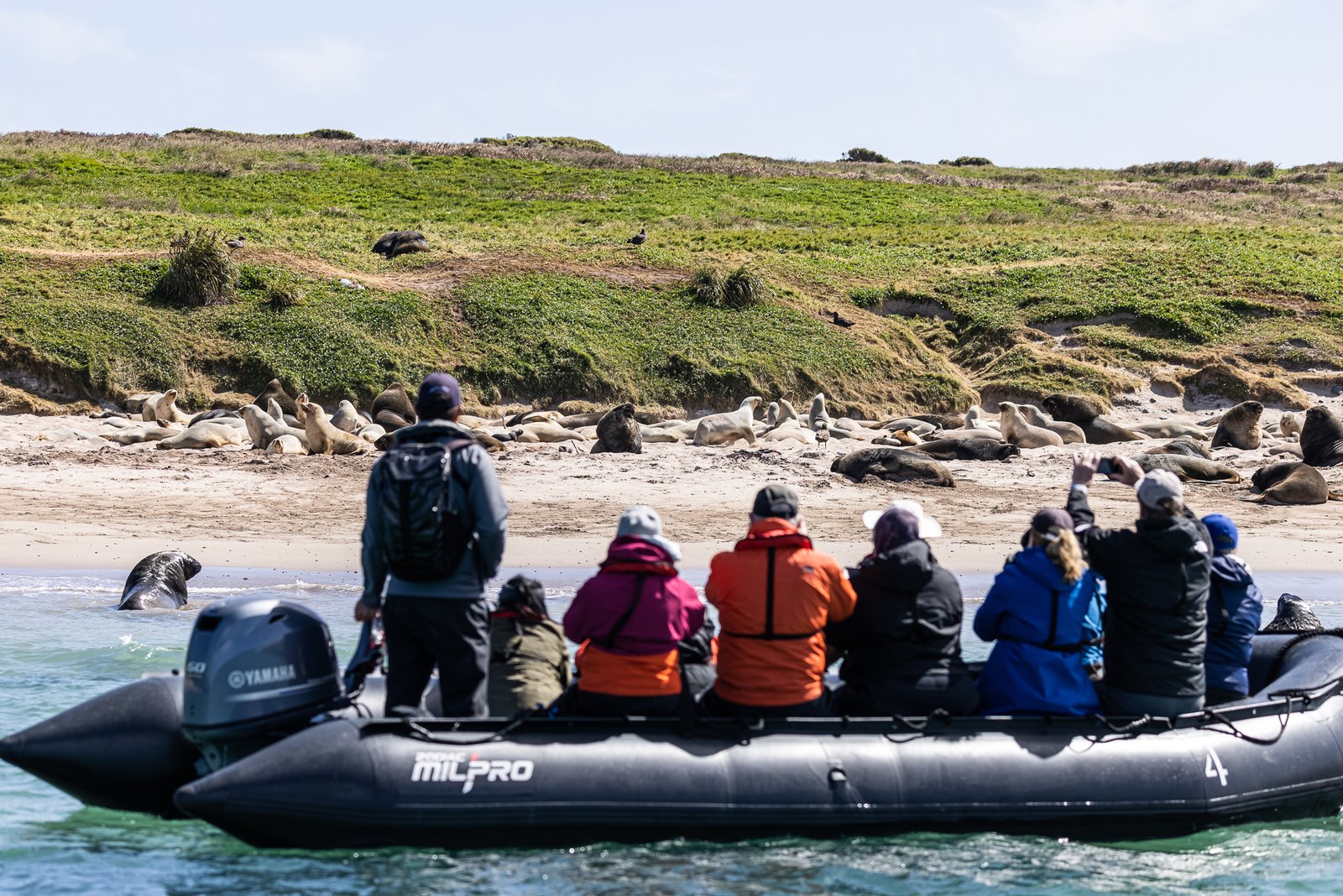
Our plan is to land at Sandy Bay, one of three breeding areas in the Auckland Islands for the Hooker’s or New Zealand Sea Lion, a rare member of the seal
family. Beachmaster bulls gather on the beach, defending their harems from younger males, to mate with the cows shortly after they have given birth to a single pup.
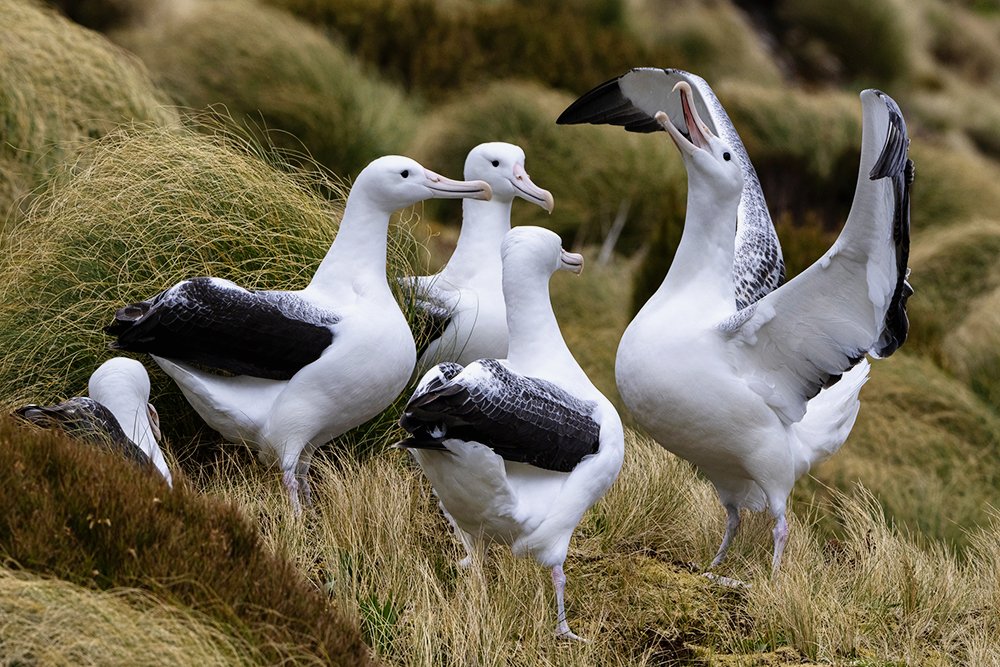
During our day ashore there will be several options, some longer walks, some shorter walks and time to spend enjoying the wildlife. The walking is relatively easy, a boardwalk traverses the island to the dramatic western cliffs, from there we follow the coast and circumnavigate the island. Birds that we are likely to encounter include the following species: Southern Royal Albatross, Northern Giant Petrel, Auckland Island Shag, Auckland Island Flightless Teal, Auckland Island Banded Dotterel, Auckland Island Tomtit, Bellbird, Pipit, Red-crowned Parakeet, Yellow-eyed Penguin and Lightmantled Sooty Albatross. There is
also a very good chance of seeing the Subantarctic Snipe.
DAY 5: AUCKLAND ISLANDS – CARNLEY HARBOUR
SOUTHERN ARCHIPELAGO
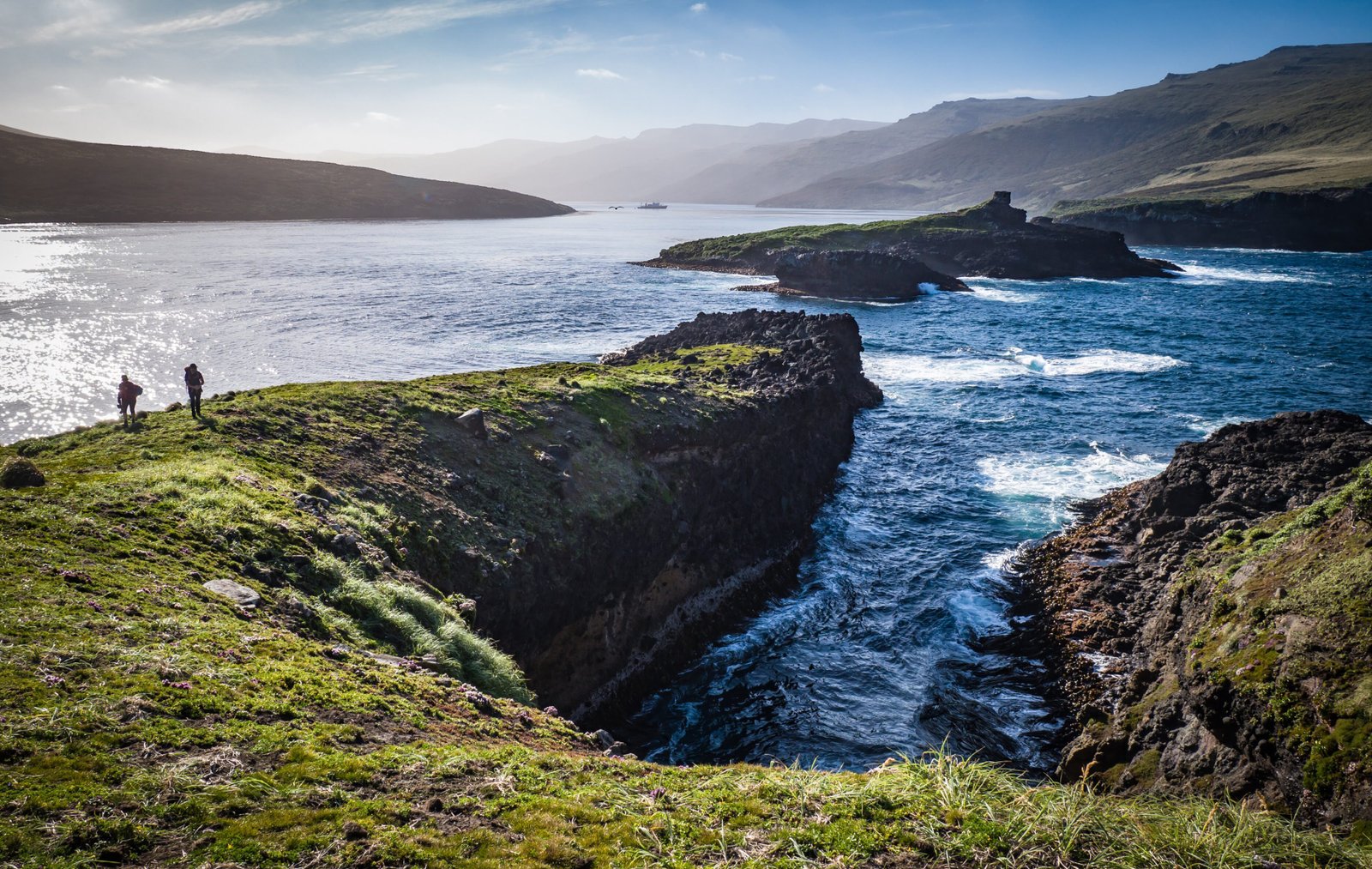
In the south of the archipelago there is a very large sheltered harbour rich in human history including shipwrecks, treasure hunters, Coastwatchers and, of course, scientific parties. Carnley Harbour is home to the Tagua Bay Coastwatcher’s hut and lookout which was occupied during the Second World War, along with Epigwatt where the remains of the Grafton, which was wrecked here in 1864, rest. All five men aboard survived and lived here for 18 months before sailing their modified dinghy to New Zealand to get help. Two of the survivors wrote books about their ordeal, their first-hand accounts tell us a lot about their time here.
We plan to arrive this morning entering the harbour through the eastern entrance which is guarded on both sides by dramatic cliffs and rugged, tussock-covered hills. Our activities here today are weather dependent and we have a number of opportunities. If the weather is fine there will be an option for the more energetic expeditioners to climb to the South West Cape and visit the
White-capped Albatross colony. This climb provides magnificent views in all directions, especially over the western entrance to Carnley Harbour, Adams Island and Western Harbour. For those not making the climb there will be an opportunity to Zodiac cruise along the coast of Adams Island, Western Harbour and Victoria Passage.
This afternoon we depart for Macquarie Island.
DAY 6: AT SEA – HERITAGE ADVENTURER
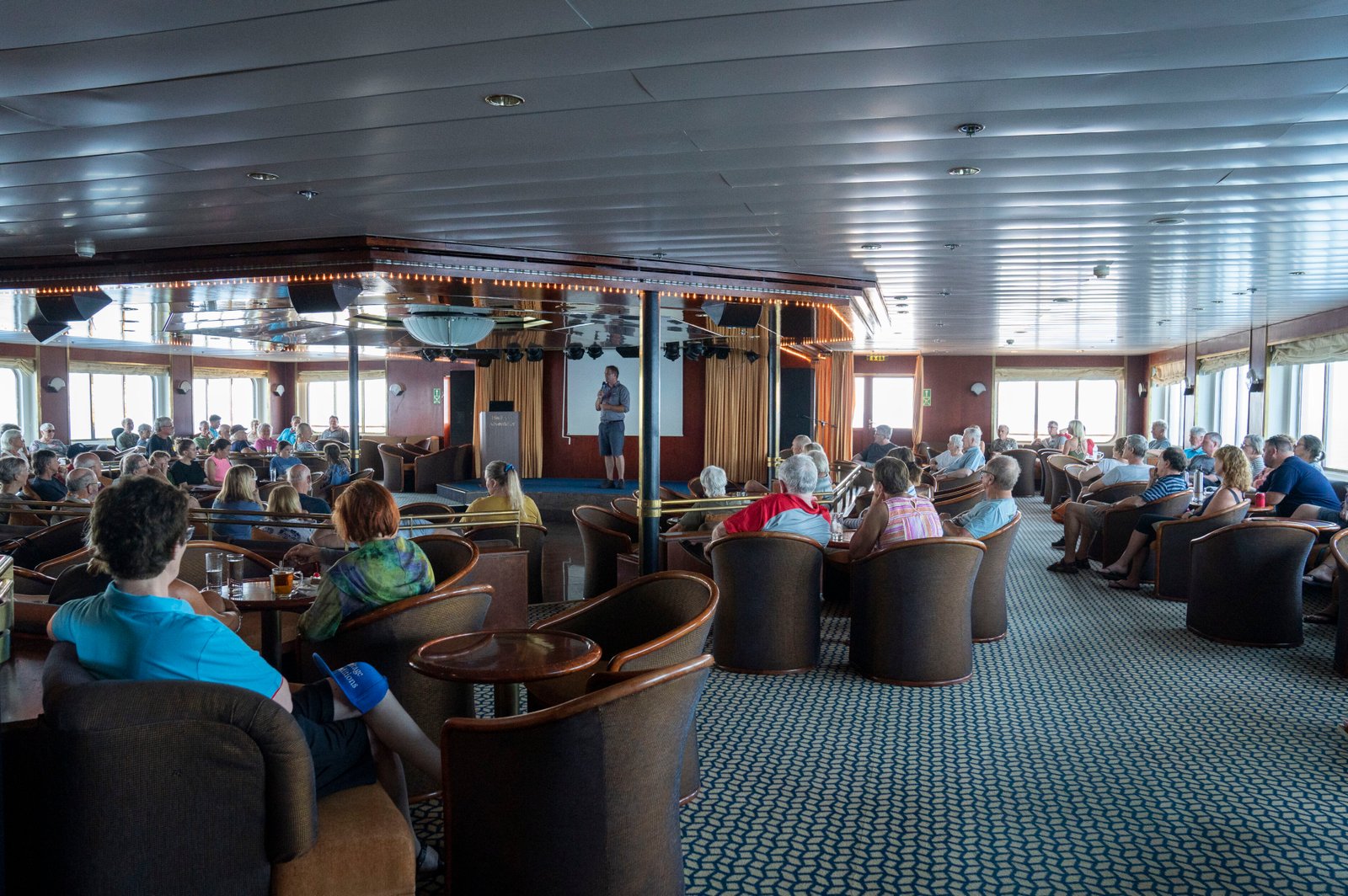
TALES AT SEA – CRUISING SOUTH
As we make our way south through the Furious Fifties, also known as the Albatross latitudes, the birding, especially south of the Auckland Islands, should be good.
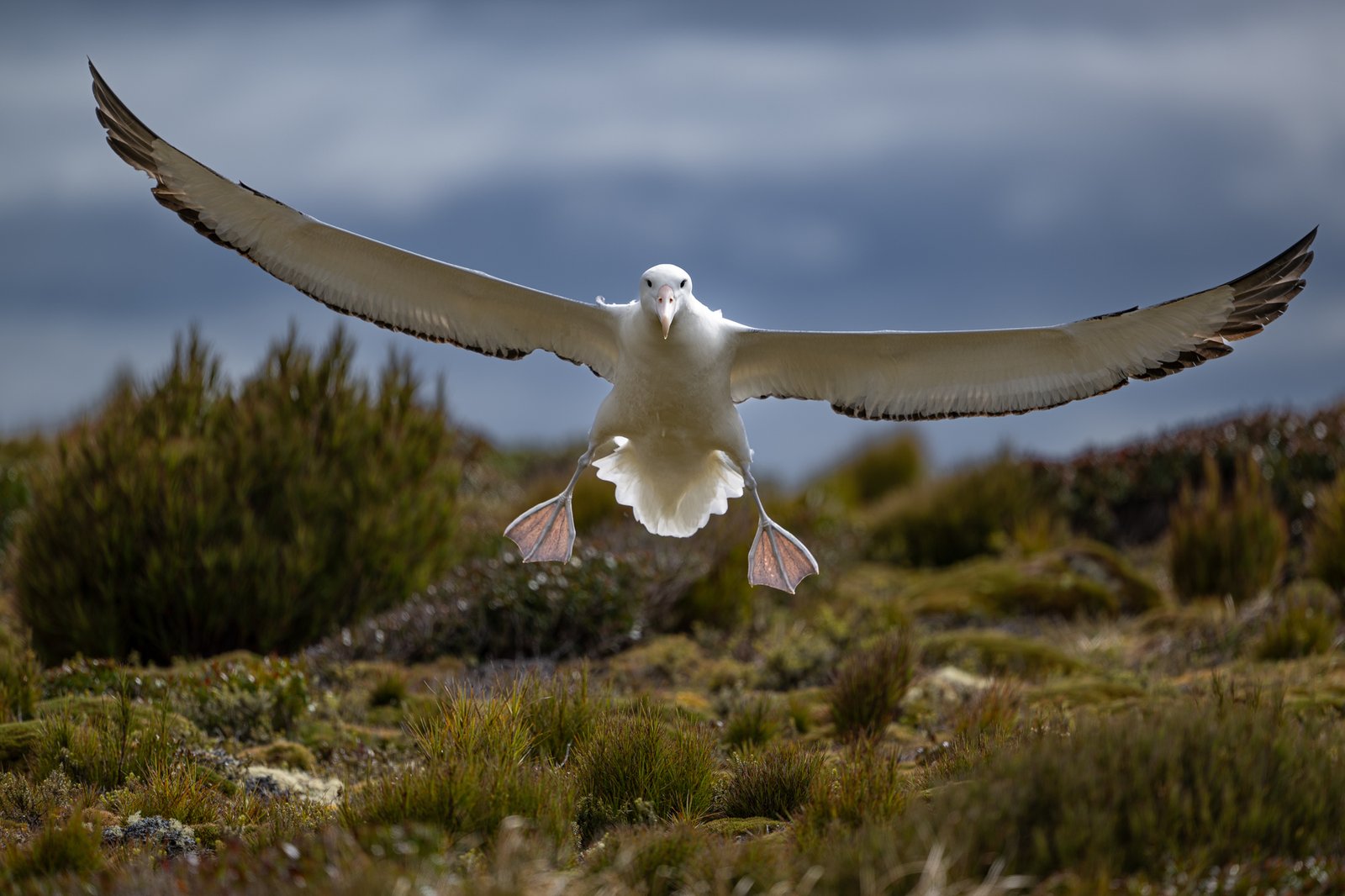
We will have a series of lectures on the biology and history of the Subantarctic Islands. We will also prepare you for our visit to Macquarie Island. Species that we may see include the Wandering Albatross, Royal Albatross, Light-mantled Sooty Albatross, Salvin’s Albatross, Grey-headed Albatross, Northern and Southern Giant Petrel, Sooty Shearwater and Little Shearwater. There should be plenty of prions including Fairy, Fulmar and Antarctic, identifying them is not easy – but we should get some great views. Other species to be on the lookout for include the Soft-plumaged Petrel, Mottled Petrel, White-headed Petrel, Grey-faced Petrel, White-chinned Petrel, Grey-backed Storm-petrel, Wilson’s Storm-petrel and Blackbellied Storm-petrel.
DAY 7 & 8: MACQUARIE ISLAND
WORLD HERITAGE SITE & PENGUINS
The great Australian Antarctic Explorer Sir Douglas Mawson once called Macquarie Island “One of the wonder spots of the world”. You are about to discover why as we spend two days exploring this amazing Island. It was one of the first of the Subantarctic Islands to obtain World Heritage Status and that was largely due to its unique geology.
It is one of the few places on Earth where mid-ocean crustal rocks are exposed at the surface due to the collision of the Australian and Pacific Plates. ‘Macca’, as it is affectionately known by its resident ranger population, was discovered in 1810 and was soon ravaged by sealers who introduced various animals including rats, cats and rabbits. The native bird population was virtually eliminated and plants destroyed.
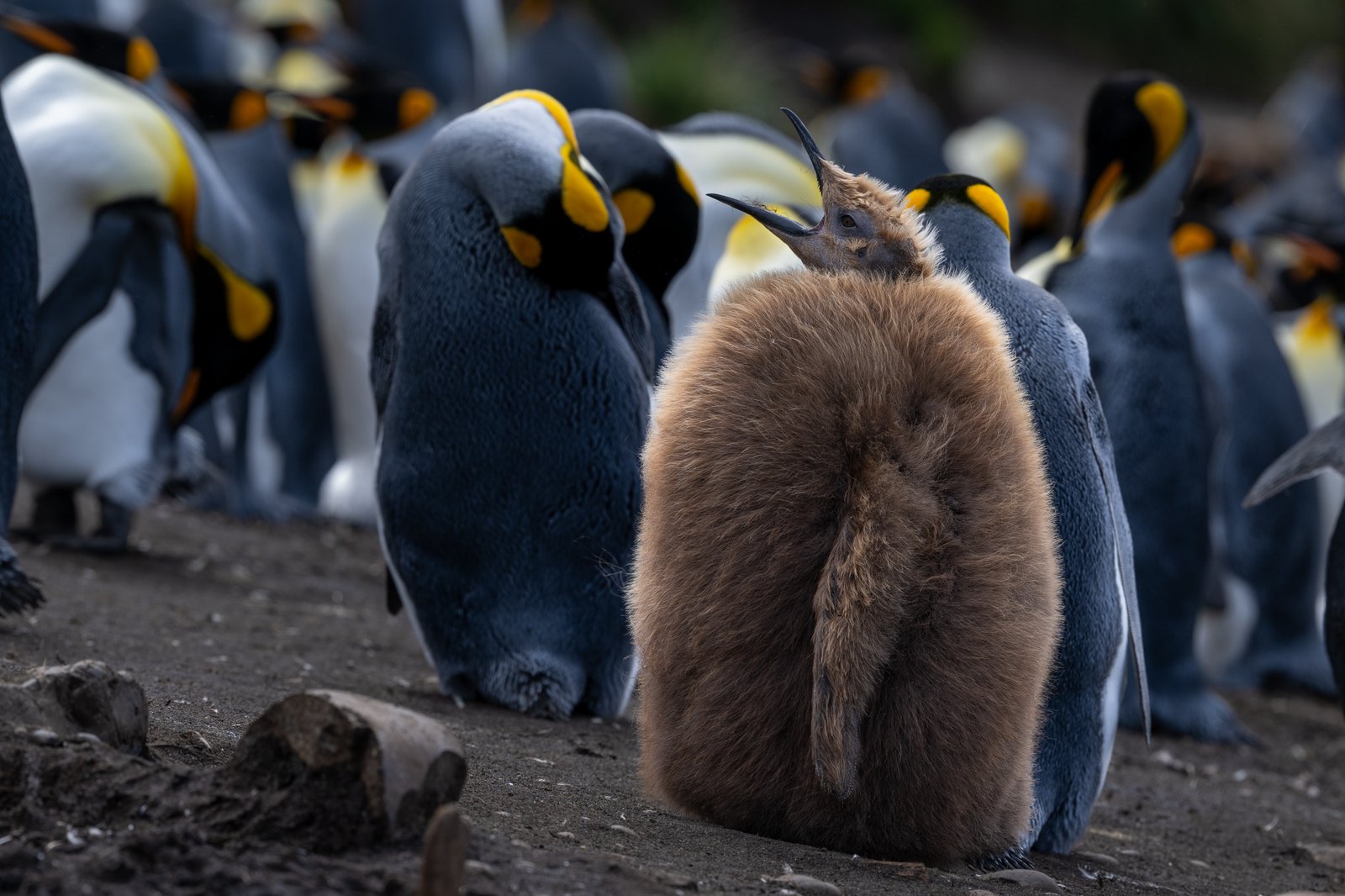
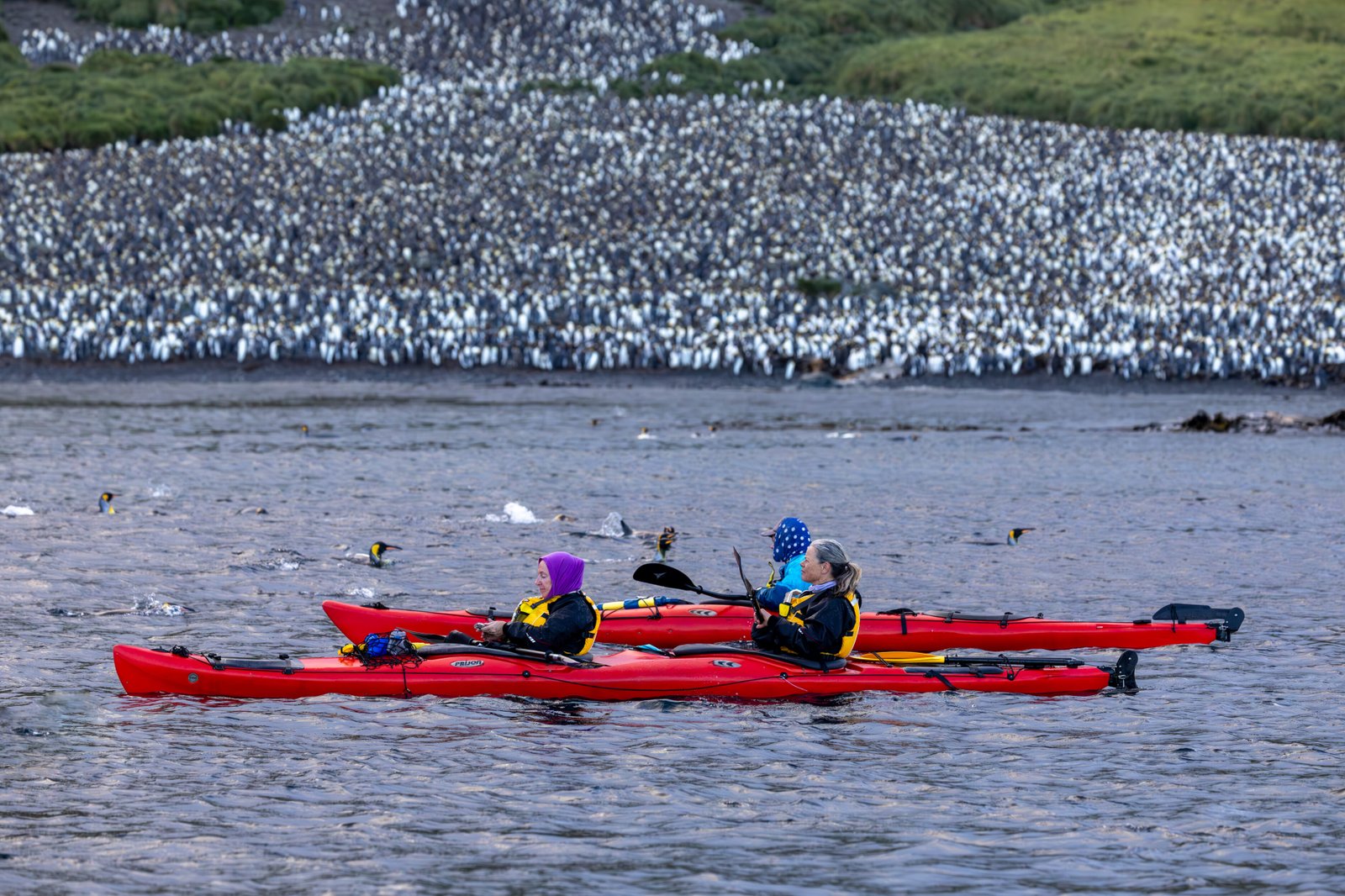
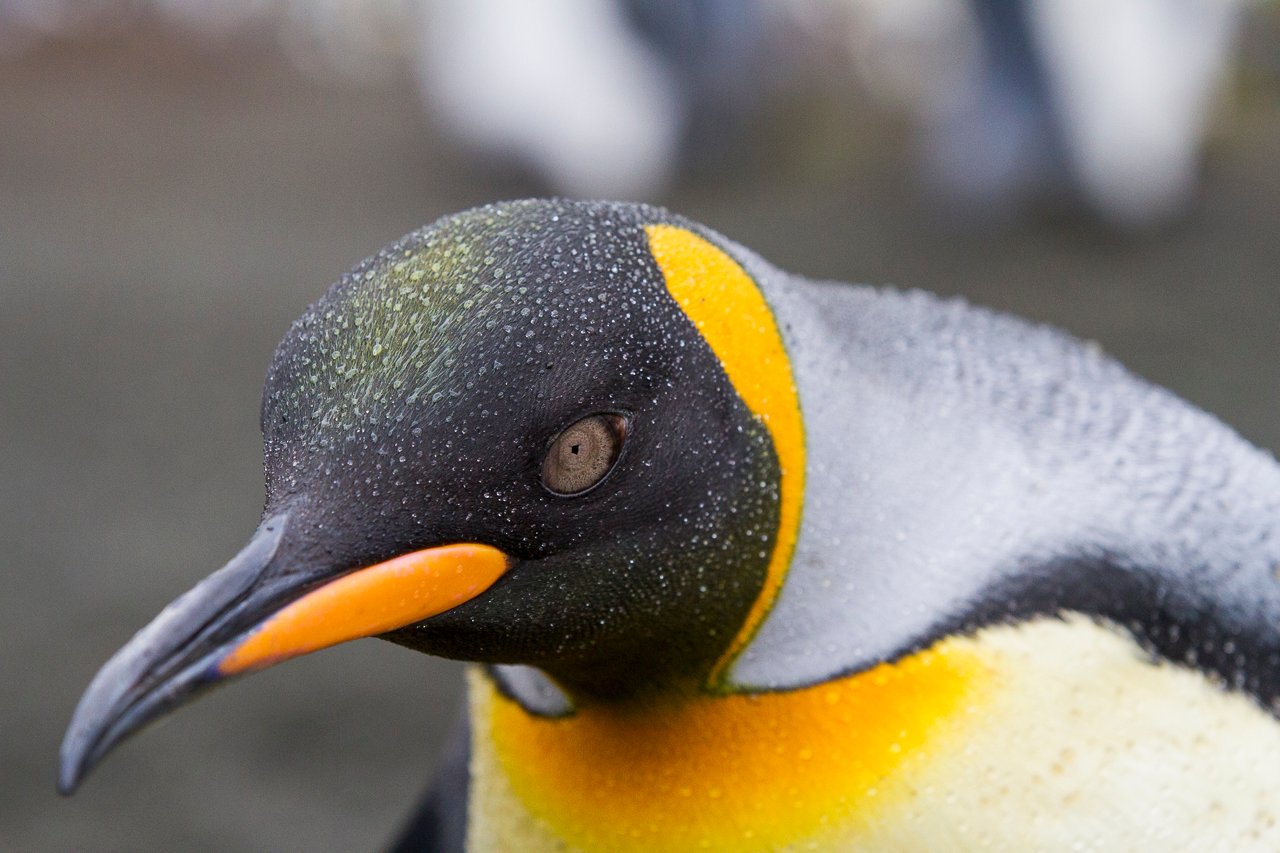
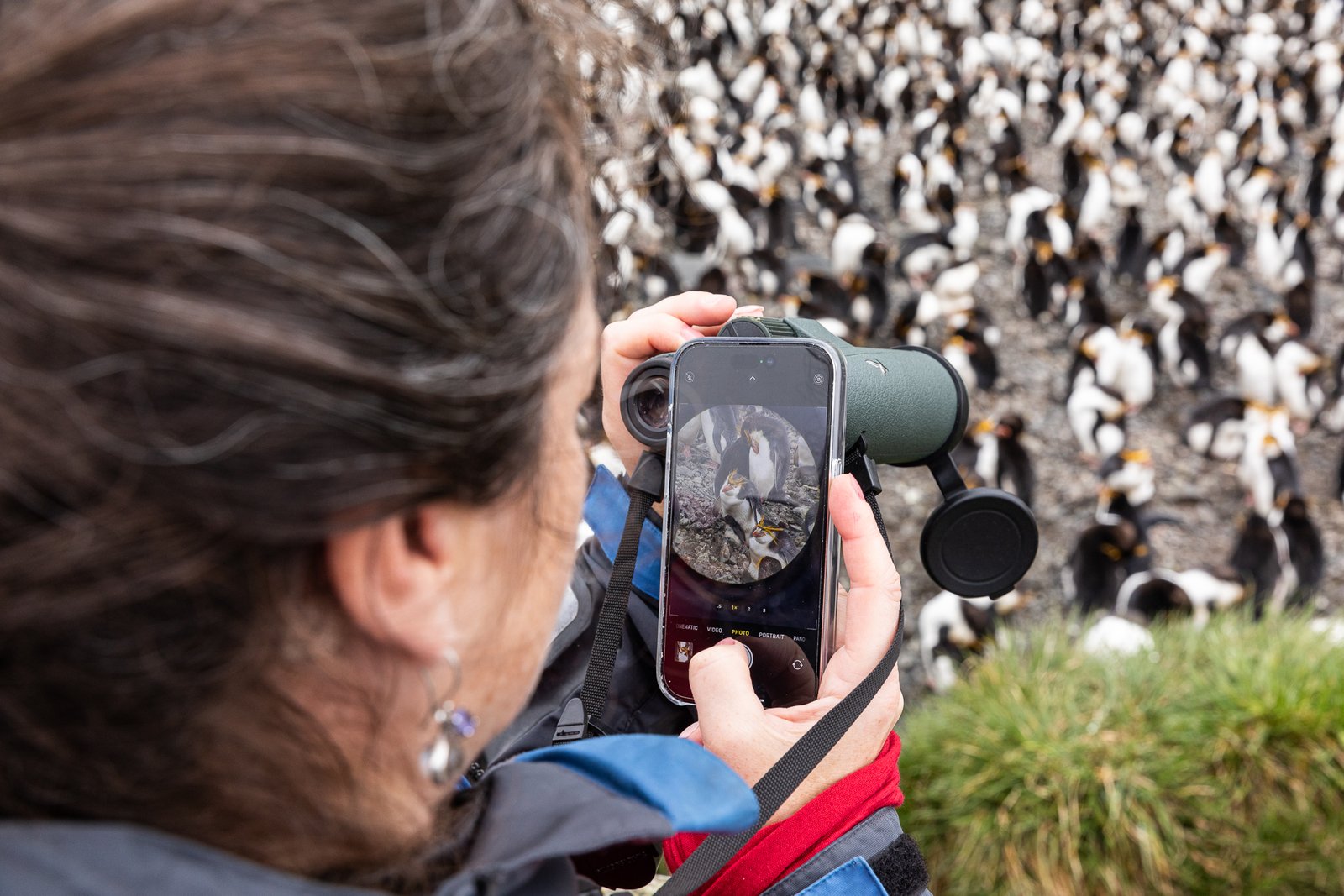
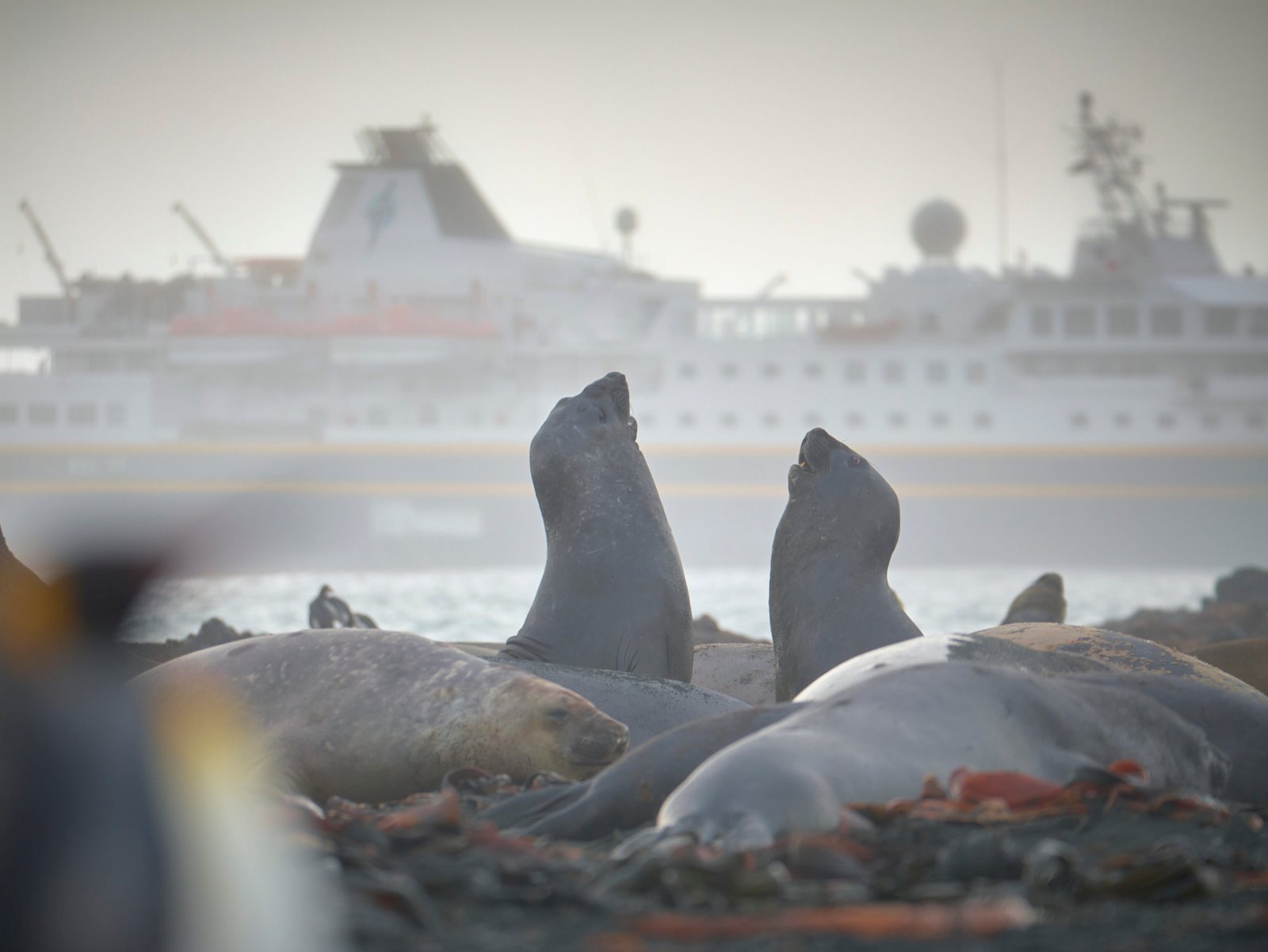
The Tasmania Parks and Wildlife Service, who administer the island, embarked on a very ambitious 7-year eradication programme resulting in the island earning pest-free status in 2014. Both the birds and plants have responded and it is amazing to witness the regeneration and the increase in the number of birds. Macquarie Island is home to four species of penguin, Kings, Royals, Gentoo and Rockhopper, with the Royal Penguin occurring nowhere else in the world.
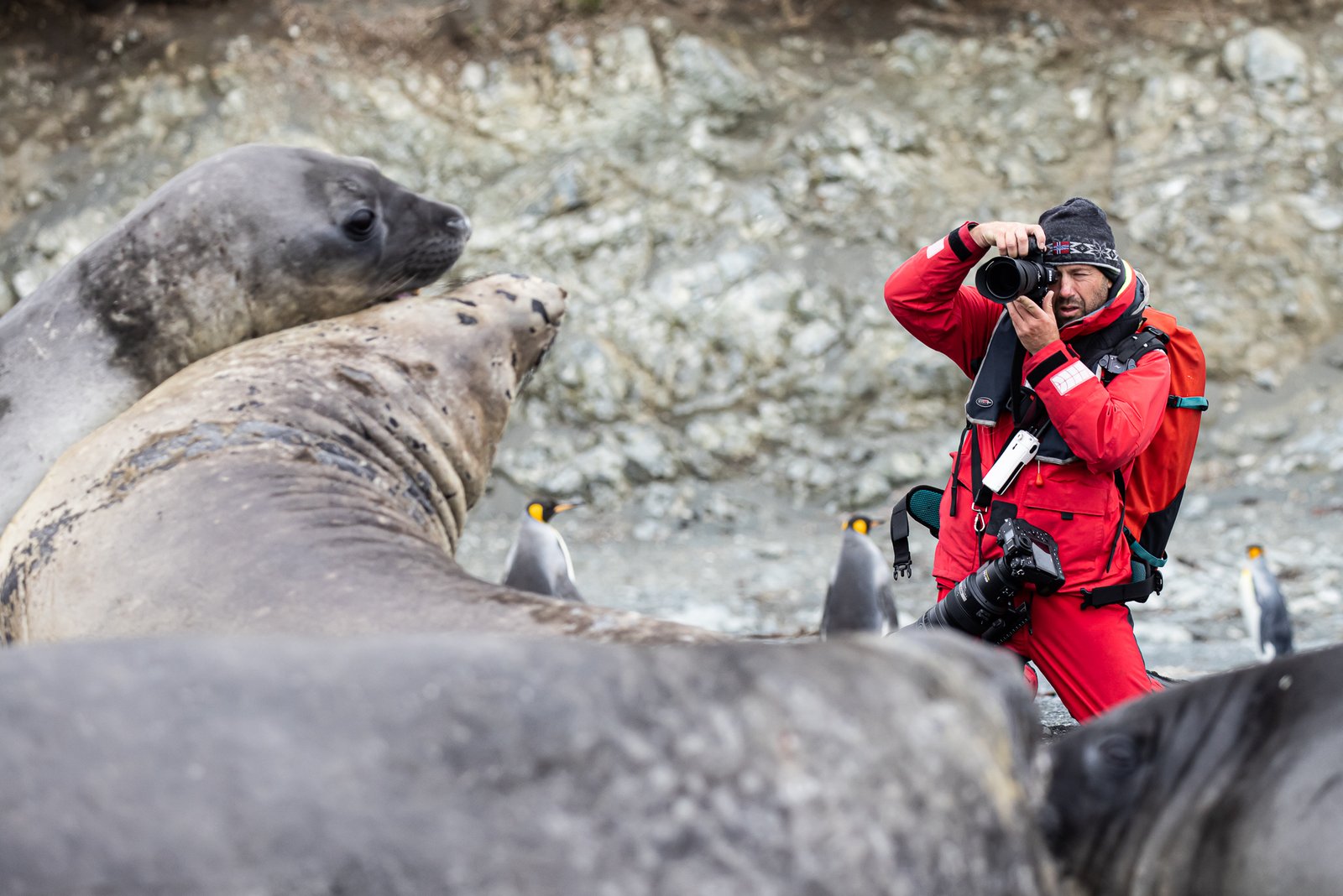
During our visit we will and at two sites (subject of course to weather and sea conditions) and you will get a chance to observe and photograph all four species, although the Rockhopper is harder to capture than the others. Macquarie also has a large population of Southern Elephant Seals. Pups are born in October and weaned in November when the breeding adults return to sea. The weaners and sub-adults lie around on the beaches. The weaners go to sea in December and January, running the gauntlet of Orca or Killer Whales waiting offshore.
We also plan a landing at the Australian Antarctic Research Base at Buckles Bay where we hope to meet with scientists and base staff. The original base was established in 1947 and the island has been ‘manned’ since then. It is one of the longest continuously occupied bases in the Subantarctic.
DAY 9: AT SEA
LECTURES AT SEA
There will be briefings and lectures on Campbell Island in preparation for our visit there and opportunities for pelagic birding and/or simply relaxing.
DAY 10: CAMPBELL ISLAND – PERSERVERANCE HARBOUR
NEW ZEALAND’S SOUTHERNMOST TERRITORY
We have all of today to explore Campbell Island, New Zealand’s southernmost Subantarctic territory. Its history is as rich and varied as the other islands we have visited. Discovered in 1810 (by the same sealing captain who discovered Macquarie Island) it too was soon occupied by sealers who introduced rats and cats.
In 1895 the New Zealand government advertised the island as a pastoral lease. The lease was taken up by an entrepreneurial New Zealand sheep farmer who stocked the island with sheep and cattle. The farming practices, which included burning the scrub, modified the island considerably. The farming lasted until 1934 when it was abandoned. Coastwatchers were stationed on the island during the war, at the end of the war the station was taken over by the New Zealand Meteorological Service and they maintained a manned weather/research station on the island until 1995.
In the early 1970s the island was fenced in half and stock was removed off the northern half. The impacts of the remaining animals were monitored and they were all eventually removed in 1990.
The vegetation recovered quickly and the cats died out naturally. In a very ambitious (and never before attempted on such a large scale) eradication programme the New Zealand Department of Conservation successfully removed the rats. With the island declared predator free in 2003, the way was clear to reintroduce the endangered Campbell Island Flightless Teal, which had been rediscovered on an offshore island in 1975.
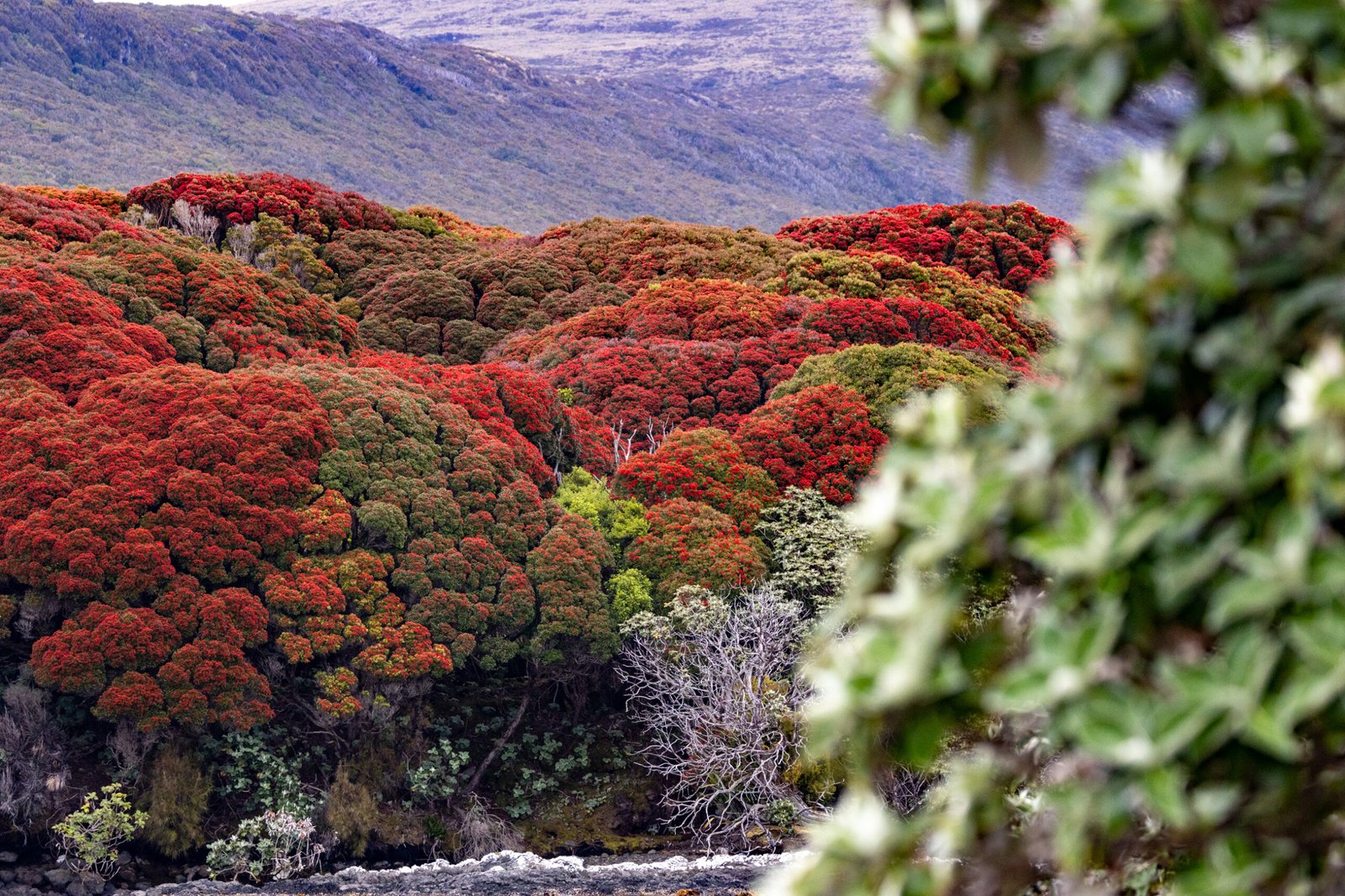
Snipe, which were formerly unknown from the island but were discovered on another offshore island, recolonised the islands themselves. The vegetation which the great English botanist Sir Joseph Hooker described in 1841 as having a “Flora display second to none outside the tropics” is flourishing and is nothing short of spectacular.
We will offer a number of options to explore the island. There will be extended walks to Northwest Bay and possibly Mt Honey. There will also be an easier walk to the Col Lyall Saddle. All of these options will allow you the opportunity and time to enjoy the Southern Royal Albatross which nest here in large numbers. We also visit areas of the island which contain outstanding examples of the megaherbs for which the island is renowned.
DAY 11: AT SEA
CRUISING BACK NORTH
At sea en route to the Port of Bluff, take the opportunity to relax and reflect on an amazing experience. We will recap the highlights of our expedition and enjoy a farewell dinner tonight as we complete the last few miles of our journey.
DAY 12: RETURN TO QUEENSTOWN
BON VOYAGE!
Early this morning we will arrive in the Port of Bluff. After a final breakfast and completing Custom formalities we bid farewell to our fellow voyagers and take a complimentary coach transfer to either Invercargill or Queenstown Airports.
In case of unexpected delays due to weather and/or port operations we ask you not to book any onward travel until after midday from Invercargill and after 3pm from Queenstown.
Or extend your adventure! Contact us.
Tour Exclusions
IMPORTANT NOTES
PLEASE NOTE: This itinerary is subject to change. Although we always do our best to stick to the itinerary, due to the ever-changing nature of Mother Nature, activities, hotels, and visits are subject to change due to forces beyond our control.
FLIGHTS: Please do not purchase your flights until this tour is confirmed.
PASSPORTS: Must be valid for at least 6 months upon return date to your home country. Proper documentation is the responsibility of each traveller.
VISAS: (responsibility of the traveller)
Travel Insurance
Cancellation, Travel, Flight, and Health insurance are required and are the responsibility of the participant to research and secure the appropriate coverage. Click HERE for a Travel Insurance Quote or please email nicola@finisterra.ca for a quote.
Check with your local travel agent /insurance provider/health plan for advice about traveling overseas.
Waiver Form
All participants will be required to sign a Waiver Form prior to departure.
YOUR EXPEDITION CRUISE SHIP
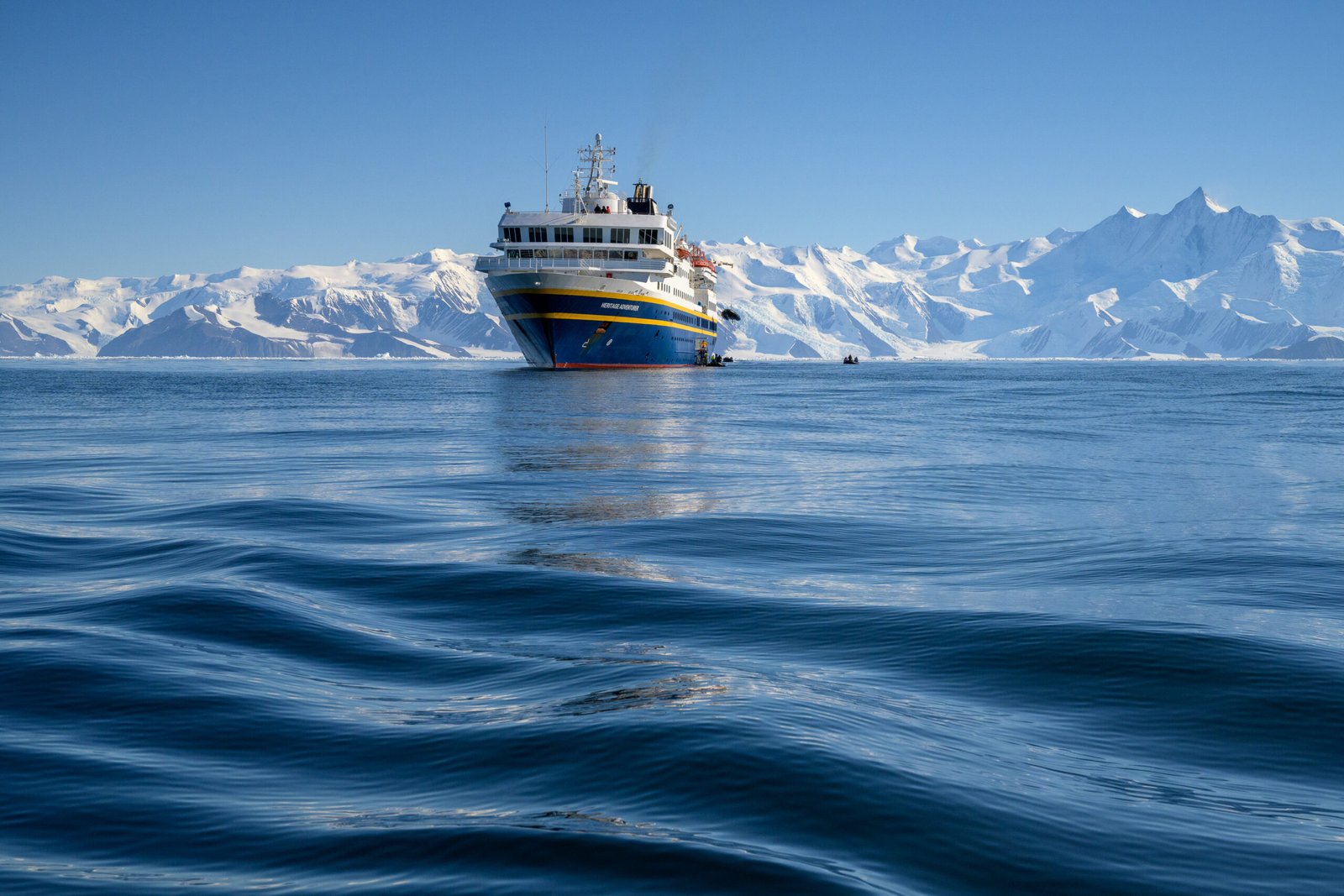
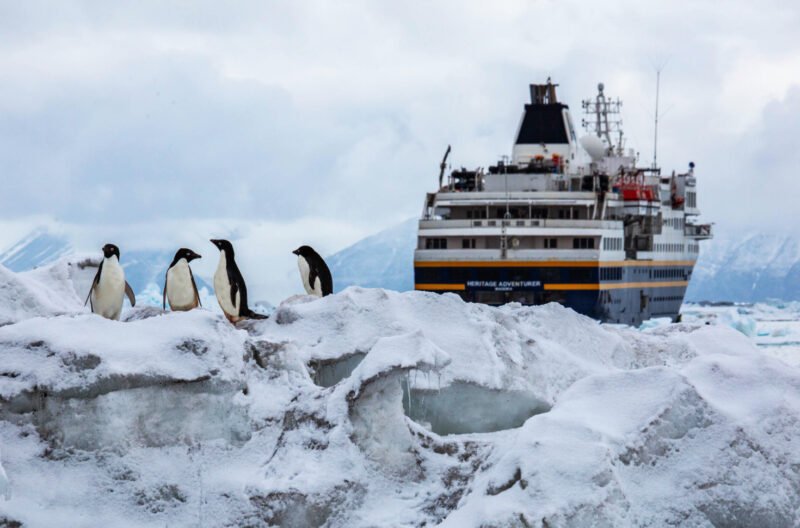
Heritage Adventurer is a true pioneering expedition vessel of exceptional pedigree often referred to as the ‘Grande Dame of Expedition Cruising’.
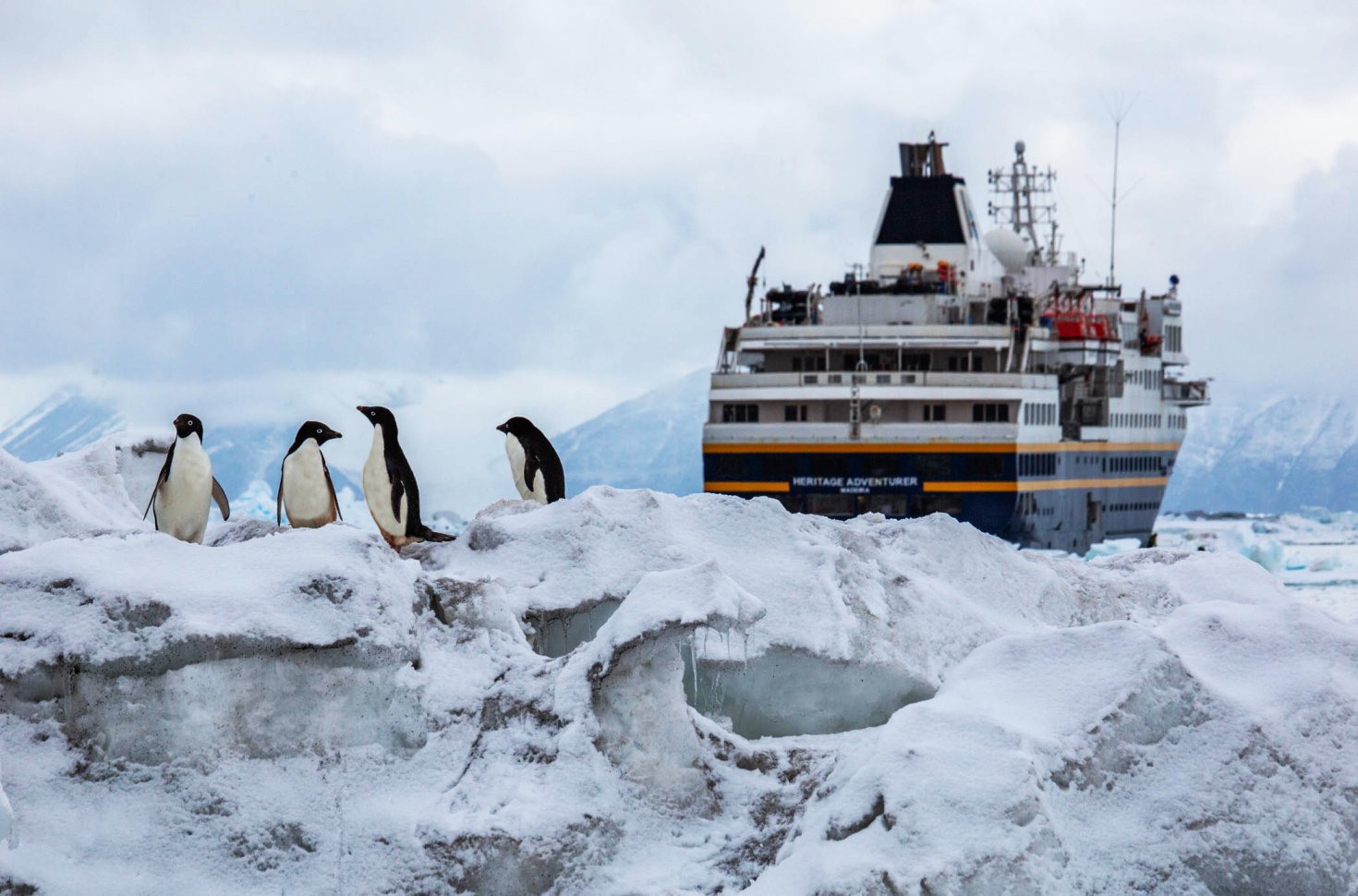
Purpose built for adventure in 1991 at Finland’s Rauma shipyard and specifically designed for Polar exploration, Heritage Adventurer (formerly known as MS Hanseatic) is 124-metres long, boasts the highest passengership ice-class rating (1A Super) and an impressive history of Polar and remote region exploration making her perfect for Heritage Expeditions signature experiential expedition travel.
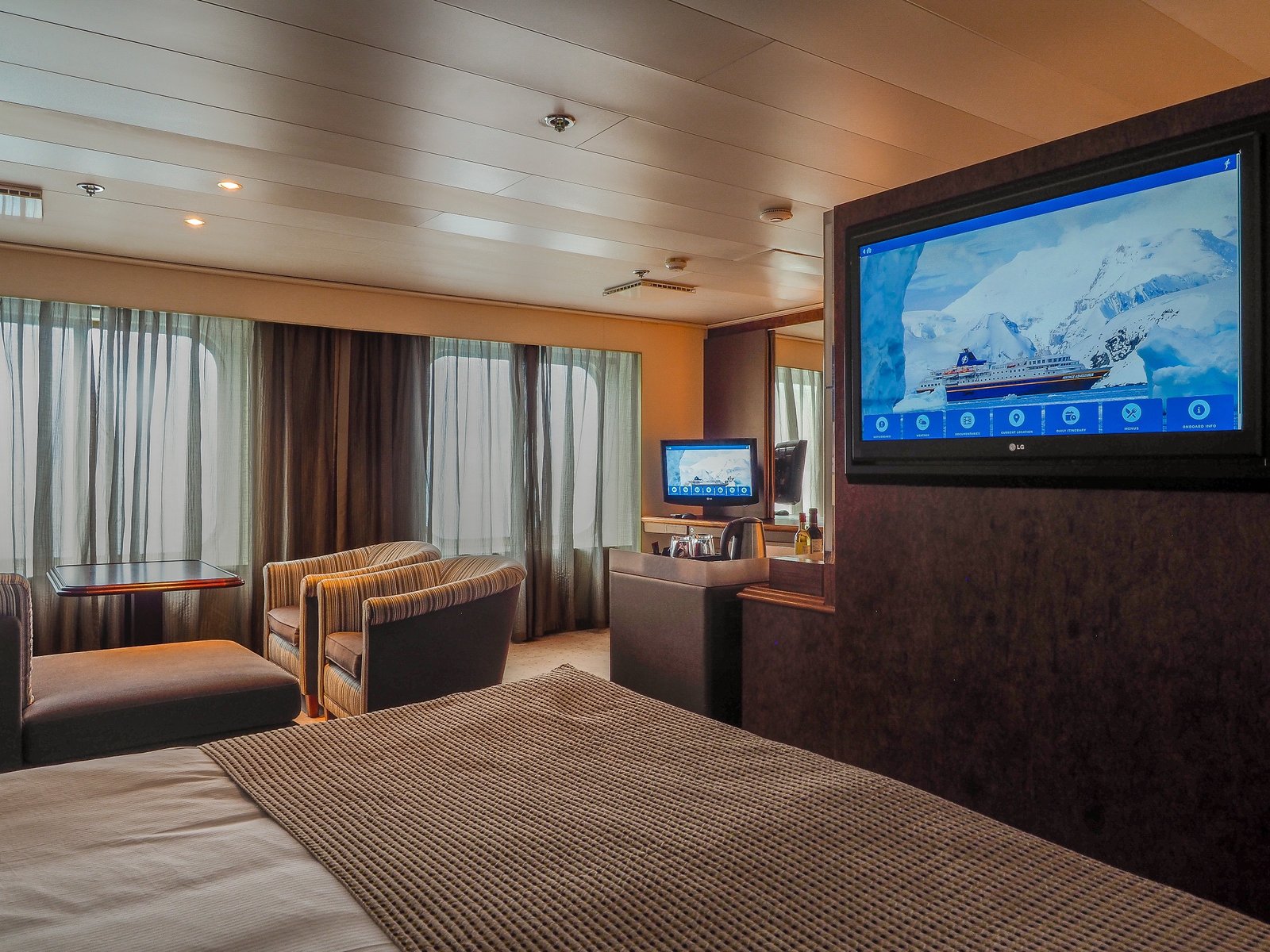
Originally designed to accommodate 184 guests, we now welcome just 140 expeditioners to create a spacious, comfortable on board experience and continuation of the exceptional, personalised expedition experience synonymous with the company. While a fleet of 14 Zodiacs ensures all guests are able to maximise their expedition experience. On board, enjoy stylish, sophisticated accommodations spanning 4 decks, visit the captain and crew in the Bridge with our Open Bridge Policy and dine on gourmet fare from leading chefs.
Watch your adventure unfold from numerous spectacular indoor and outdoor viewing locations including Heritage Adventurer’s famed Observation Lounge resplendent with 270 degree views and join our world-renowned team of naturalists, botanists, historians and experts as they interpret the natural and human history discovered during each voyage, as well as hosting regular lectures.
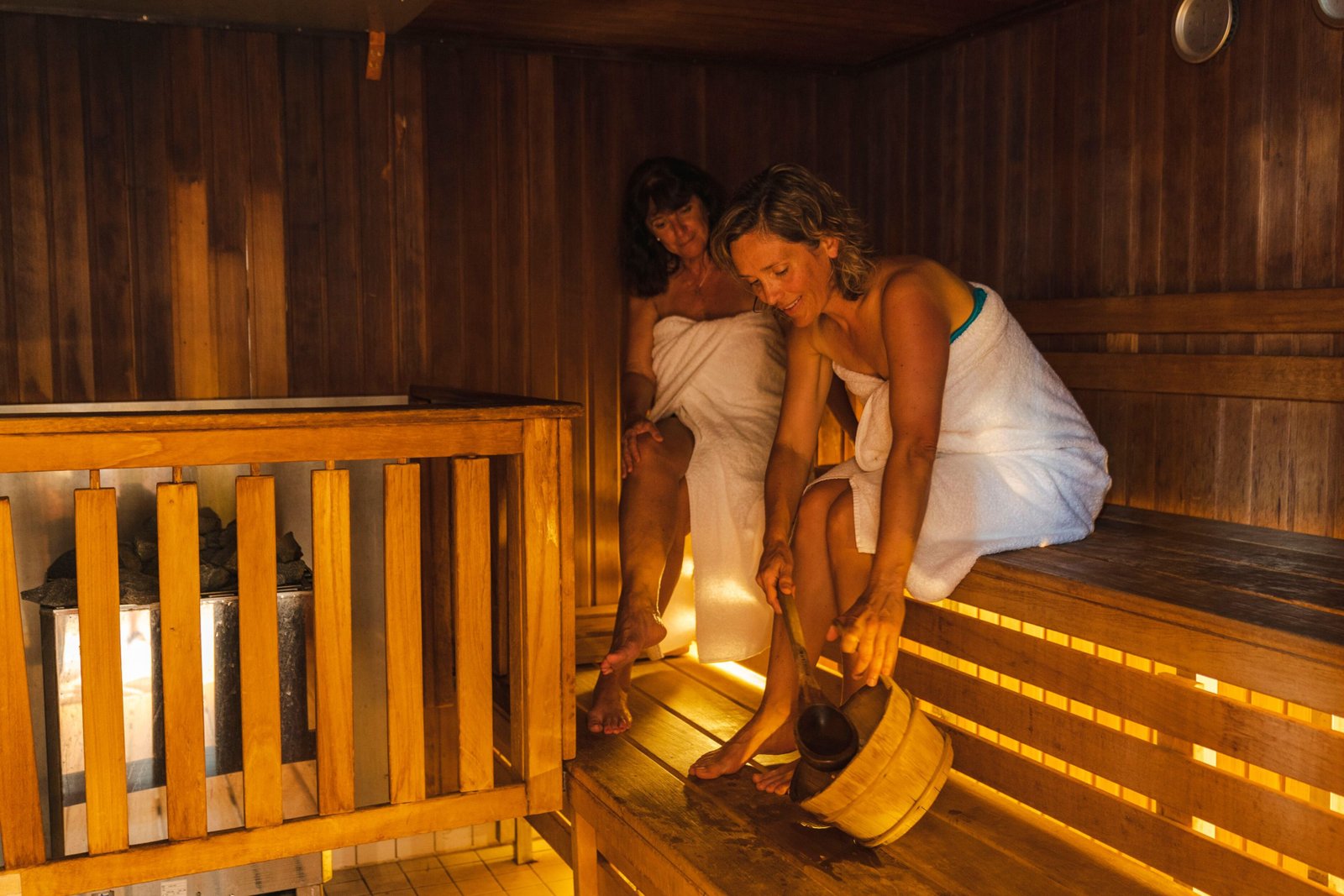
And should you require a little R&R, unwind in the library, pool, gym, hot tub, sauna and steam room, indulge in some retail therapy or find a quiet place to enjoy a coffee or cocktail from the café and bar.
Contact us for suite options and booking details.
TRAVEL INSURANCE
Even though we wish you a flawless trip, things can happen, especially nowadays. Make sure you are prepared with a Travel Insurance policy that is right for you. Finisterra recommends Manulife Insurance or John Hancock Please feel free to ask us about Trip Cancellation & Interruption Insurance, Cancel for Any Reason Policies, Travel Medical Insurance, or any other questions you may have.
TRAVEL INSURANCE FOR CANADIANS
Travel with confidence knowing that you’re covered with Manulife Insurance.

TRAVEL INSURANCE FOR AMERICANS – JOHN HANCOCK
Explore the world, stress-free, when you book travel insurance with John Hancock International.

WHY TRAVEL WITH US?
At Finisterra Travel we help you discover, push personal boundaries, and explore the unknown.
We are super passionate about sustainable, transformational, and adventure travel. Definitely not “armchair travellers”, we have firsthand experience of where you’ll be heading. No one wants to feel like a tourist which is why when we plan a custom travel experience for you, we strive to make your adventure as authentic as possible. We offer an array of Small Group Adventures & Custom Trips, and have something for every type of traveller.
Our unique itineraries are designed to best showcase some of our favourite destinations around Africa, Asia, Latin America, the Middle East, North America, and Europe. All itineraries are fully-customizable. Not your typical online travel agency, nor are we quite a tour operator, we are international travel designers with a flair for unique experiences. We’d love to hear from you!
JOIN OUR FINISTERRA TRAVEL COMMUNITY
Stay up-to-date with us when you sign up for our newsletter.